KS2 English: Grammar, Vocabulary, and Reading Comprehension
Clear explanations, colourful examples, and retrieval drills to build grammar accuracy, rich vocabulary, and confident comprehension at KS2.
Cartisio Team
Grammar and Punctuation—From Rules to Fluency
Teach rules with minimal wording and strong examples.
- Parts of speech: noun, verb, adjective, adverb, preposition, conjunction.
- Sentence types: statements, questions, commands, exclamations.
- Punctuation: full stops, commas in a list, apostrophes for possession/omission, speech marks. Common slips: comma splices; confusing its/it's; capital letters for proper nouns; dialogue punctuation.
Vocabulary Growth That Sticks
Use morphology and context.
- Prefixes/suffixes: un‑, re‑, pre‑; ‑ful, ‑less, ‑ment, ‑tion.
- Synonym webs and Frayer models for deep meaning.
- Spaced flipcards: interleave old + new words; add example sentences.
Comprehension: Predict, Question, Clarify, Summarise
Reciprocal reading improves understanding.
- Predict next events from clues.
- Question—who/what/why/how to probe meaning.
- Clarify tricky words/phrases using context.
- Summarise in 1–2 sentences focusing on main idea, not detail. Worked example: Read a short paragraph; list unknown words; infer character feelings from actions, then summarise.
How Cartisio Helps
- Flipcards: parts of speech, punctuation patterns, common homophones.
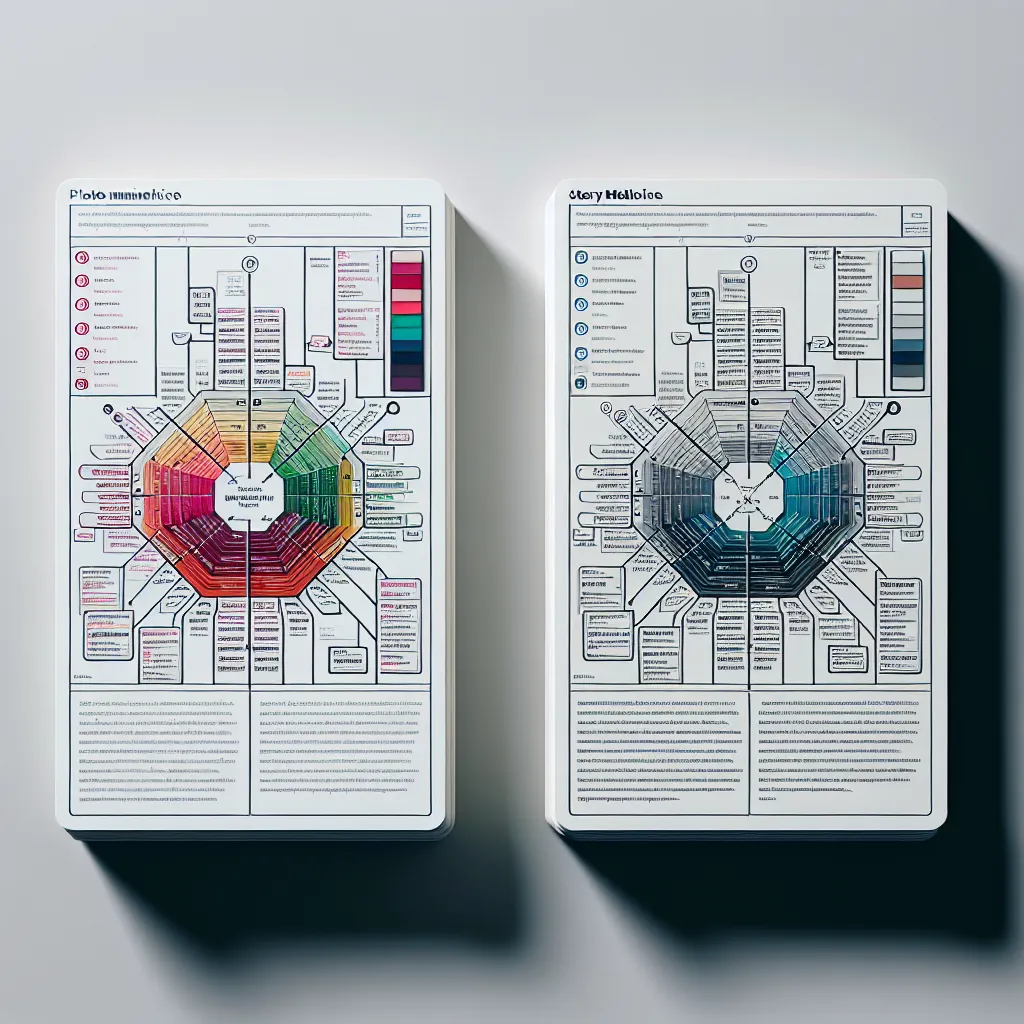
- Visuals: story maps, sequence arrows, dialogue punctuation frames.
- Mini‑quizzes: spot the error; choose the best synonym; improve a sentence.
- Spacing: starred items resurface on a schedule for durable learning.
Useful Videos
- Trusted explainer
Evidence and Further Reading
- Dual Coding (Paivio): blend concise text with visuals.
- Retrieval Practice (Roediger & Karpicke): frequent recall beats rereading.
- Spacing (Cepeda et al.): revisit over time for robust retention.
- Rosenshine’s Principles: model steps, provide worked examples, check understanding.
Try it now